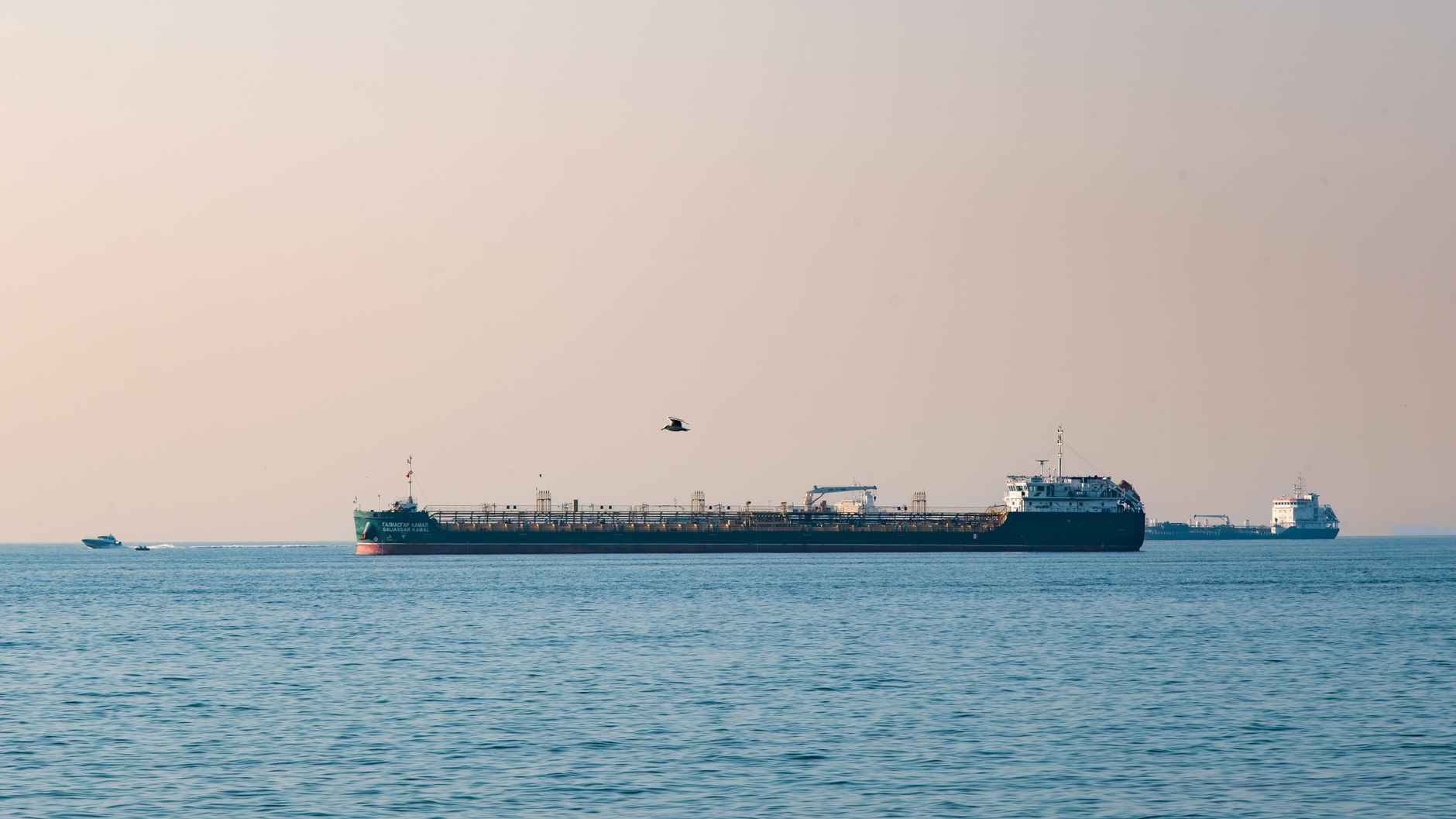
Safe Black Sea shipping is a crucial topic as India’s proposal is currently under consideration. This move, highlighted by Zelenskyy, seeks to ensure secure maritime routes in the region.
Current Situation of Black Sea Shipping
The current situation of Black Sea shipping is marked by ongoing challenges and geopolitical tensions, particularly in light of the recent conflicts in the region. As nations grapple with maritime security, the necessity for safe Black Sea shipping has gained prominence. Ukraine’s President Volodymyr Zelenskyy has emphasized the importance of ensuring that shipping routes remain secure amidst these challenges.
In response to the increasing threats, India has put forth a proposal aimed at enhancing maritime safety in the Black Sea. This initiative seeks to foster collaboration among nations surrounding the Black Sea to create a more secure shipping environment. Key components of the proposal include:
- Joint naval exercises: Strengthening military cooperation to deter potential threats.
- Enhanced surveillance: Utilizing advanced technology to monitor shipping lanes.
- Diplomatic engagement: Encouraging dialogue among conflicting parties to promote peace.
While the proposal is still under consideration, its potential to establish safe Black Sea shipping routes could significantly impact international trade and regional stability.
India’s Proposal Overview
India has put forth a comprehensive proposal aimed at enhancing safe Black Sea shipping, addressing the escalating concerns over maritime security in the region. The proposal emphasizes the need for collaborative efforts to ensure the safety of shipping routes that are vital for global trade.
Key components of India’s proposal are:
- Multinational Cooperation: India advocates for a coalition of nations to monitor and safeguard shipping lanes in the Black Sea.
- Enhanced Surveillance: The use of advanced technologies, including satellite surveillance, to track and respond to any threats in real-time.
- Emergency Response Teams: Establishing rapid response units that can be deployed to assist vessels in distress.
- Diplomatic Engagement: Promoting dialogue between conflicting parties to de-escalate tensions and ensure the free movement of goods.
Officials believe that by implementing these measures, the initiative will not only bolster safe Black Sea shipping but also contribute to regional stability and economic growth. The international community’s support will be crucial for the success of this ambitious proposal.
Zelenskyy’s Statement on Shipping
In a recent statement, Ukrainian President Volodymyr Zelenskyy emphasized the importance of ensuring safe Black Sea shipping routes for global trade. He highlighted the potential benefits of India’s proposal, which aims to enhance maritime security in the region amidst ongoing tensions.
Zelenskyy noted that the Black Sea has been a vital corridor for international shipping, and disruptions have significant implications for global supply chains. He expressed optimism that India’s involvement could lead to a collaborative approach that strengthens safety measures and promotes stability in the area.
Furthermore, Zelenskyy mentioned the need for collective action among nations to address the challenges posed by regional conflicts. He stated, “The safety of shipping in the Black Sea is crucial not only for Ukraine and its allies but also for countries reliant on maritime trade.”
As discussions continue, the focus remains on how such initiatives may contribute to a secure shipping environment. Zelenskyy urged all stakeholders to engage in dialogue, reinforcing the notion that coordinated efforts are essential for achieving lasting solutions.
Potential Impact on Trade
The potential impact on trade resulting from the implementation of safe Black Sea shipping is significant for India. As global supply chains continue to evolve, the ability to secure safe passage through the Black Sea can enhance India’s trade relations with various countries.
A successful initiative could lead to:
- Increased Exports: With safer routes, Indian exporters can reach European markets more efficiently, thereby boosting trade volumes.
- Cost Reduction: Safe Black Sea shipping can lower insurance and shipping costs, making Indian goods more competitive abroad.
- Strengthened Alliances: Engaging with Ukraine and other nations in the region can foster stronger diplomatic and economic ties.
- Market Diversification: Access to safer routes allows India to explore new markets, reducing reliance on traditional partners.
Furthermore, the enhancement of maritime security in the Black Sea may promote overall regional stability, which is beneficial for all trading nations. By prioritizing safe Black Sea shipping, India positions itself as a proactive player in the global trade arena.
Challenges in Maritime Security
The geopolitical landscape surrounding the Black Sea has created a complex environment for maritime security, posing significant challenges for safe Black Sea shipping. These challenges can be categorized into several key areas:
- Increased Military Presence: The ongoing military tensions in the region have led to a heightened naval presence from various countries, complicating shipping routes and increasing the risk of confrontations.
- Threat of Piracy: Instances of piracy and maritime crime have been reported, adding another layer of danger for vessels operating in these waters.
- Environmental Concerns: The Black Sea is ecologically sensitive, and any military engagements or shipping accidents could have devastating effects on its marine environment.
- Lack of Clear Guidelines: The absence of a unified legal framework for safe shipping operations in the Black Sea further complicates navigation and trade, leaving many vessels vulnerable to various threats.
- Economic Pressures: Fluctuations in global markets and the economic impacts of the ongoing conflict can deter investment in the safety measures necessary for secure shipping.
Addressing these challenges is crucial for ensuring the viability of safe Black Sea shipping as a reliable solution for enhancing trade routes for India and beyond.
Future of Black Sea Shipping
The future of Black Sea shipping is pivotal not only for regional economies but also for countries like India, which are looking to expand their trade horizons. As discussions surrounding safe Black Sea shipping continue, several key factors will shape its trajectory.
Firstly, international collaboration is essential. Countries bordering the Black Sea must work together to establish and maintain maritime security protocols that ensure the safety of shipping lanes. This cooperation can help mitigate risks associated with geopolitical tensions.
Secondly, advancements in technology may enhance safety measures. Implementation of satellite tracking and real-time monitoring systems can provide crucial information to vessels navigating these waters, ensuring safer passage.
Moreover, investment in port infrastructure is vital. Modernizing ports along the Black Sea will facilitate smoother operations and bolster trade capacity, which is imperative for nations seeking to benefit from this maritime route.
In conclusion, while challenges remain, the potential for safe Black Sea shipping as a proven solution for countries like India hinges on collaborative efforts, technological advancements, and infrastructure development. The coming years will be critical in determining its viability.
Photo by İrfan Simsar on Pexels
Read the original
Related stories
IPL 2026 Auction: What is the Best Host State? · Deepika Sehrawat Hockey: The Proven Star Scoring 9 Goals · AI Smart Glasses: The Best Way to Enhance Your Privacy


