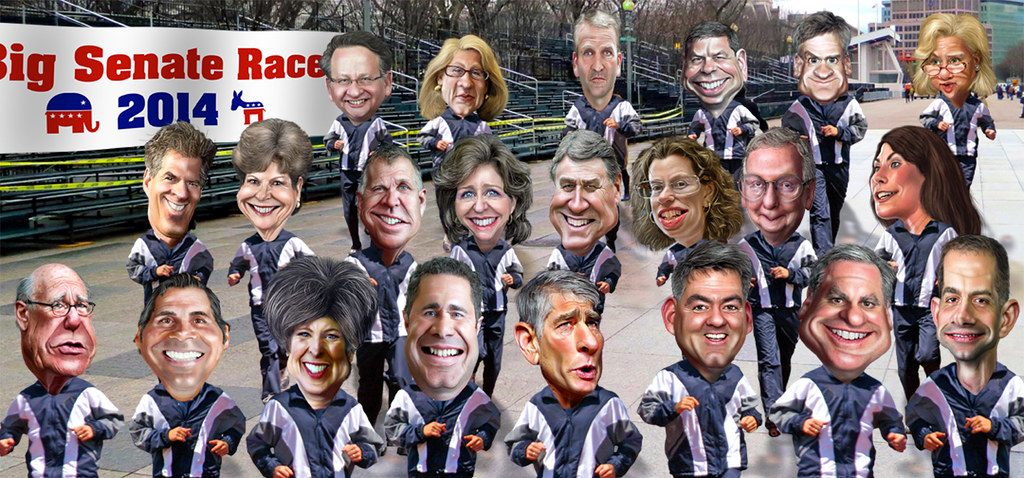
The Michigan Senate race is heating up as El-Sayed downplays rifts with fellow Democrats. This strategic move could influence the election outcome significantly.
Overview of the Michigan Senate Race
The Michigan Senate race is heating up as candidates ramp up their final strategies ahead of the election. With the incumbent looking to maintain control, challengers are seeking to carve out their own space in a competitive landscape. One notable figure in this race is Abdul El-Sayed, who has been vocal about his vision for the state while navigating the complexities of party dynamics.
El-Sayed’s approach focuses on uniting various factions within the Democratic party, a strategy he believes is essential for a successful campaign. Despite some tension with fellow Democrats, he emphasizes collaboration over conflict, aiming to present a united front to voters. Key issues driving the race include:
- Economic growth and job creation
- Healthcare reform and access
- Education funding and improvements
- Environmental policies that impact Michigan’s natural resources
As the election date approaches, the stakes are high for all candidates involved, making the Michigan Senate race a critical battleground for both local and national implications.
Key Players in the Election
The Michigan Senate race has attracted significant attention, not only for its implications on the national political landscape but also for the key players involved in the election. Among the candidates, Abdul El-Sayed stands out as a prominent figure, particularly with his focus on grassroots campaigning and progressive policies.
El-Sayed’s strategy has been to engage directly with voters, emphasizing issues such as healthcare, education, and climate change. His approach has resonated with many constituents, leading to a surge in support. However, he faces competition from other notable Democrats, including Gretchen Whitmer and Gary Peters, who bring their own strengths to the race.
In addition to El-Sayed, the election also sees participation from various local and national organizations that are mobilizing support for their preferred candidates. These groups play a crucial role in shaping the narratives and outcomes of the Michigan Senate race.
- Abdul El-Sayed – Progressive candidate focused on grassroots issues.
- Gretchen Whitmer – Incumbent governor with statewide recognition.
- Gary Peters – Current senator seeking reelection.
El-Sayed’s Campaign Strategy
In the final stages of the Michigan Senate race, Abdul El-Sayed has adopted a campaign strategy that emphasizes unity and progressive values. Despite facing criticism from some party members, El-Sayed has chosen to downplay any rifts within the Democratic Party, focusing instead on galvanizing support among voters who prioritize issues like healthcare and climate change.
His approach includes a variety of community outreach initiatives aimed at engaging younger voters, who are crucial for his success. Key elements of El-Sayed’s strategy include:
- Grassroots organizing: Mobilizing volunteers to connect with constituents through door-to-door canvassing.
- Digital engagement: Utilizing social media platforms to reach a broader audience and promote his campaign message.
- Issue-focused discussions: Hosting town halls that tackle pressing topics relevant to Michigan residents.
By leveraging these tactics, El-Sayed aims to create a strong base of support as the Michigan Senate race heads toward its conclusion. His ability to maintain party cohesion while promoting a progressive agenda may prove pivotal in determining the election’s outcome.
Impact of Party Unity
The impact of party unity in the Michigan Senate race has become increasingly vital as the election approaches. With tensions rising within the Democratic Party, candidates must navigate these divisions carefully. Abdul El-Sayed, who has made headlines for his distinct approach, is now emphasizing the importance of solidarity among Democrats.
Recent statements from El-Sayed indicate a concerted effort to downplay any rifts with fellow party members, aiming to foster a unified front. His campaign has focused on key issues that resonate with the electorate, while also seeking to reassure voters that internal disagreements will not detract from the party’s overall objectives.
Party unity can significantly influence voter turnout and overall support. Some key factors include:
- Voter Engagement: A united party can mobilize its base more effectively.
- Resource Allocation: Collaborative efforts can enhance fundraising and campaigning.
- Message Consistency: A cohesive strategy helps in delivering a clear message to constituents.
As the Michigan Senate race continues to unfold, El-Sayed’s ability to maintain party unity could prove crucial to his success at the polls.
Voter Sentiment in Michigan
As the Michigan Senate race approaches its climax, voter sentiment in the state reveals a complex landscape influenced by various factors. Recent polls indicate that many voters are still undecided, underscoring the importance of last-minute campaigning.
El-Sayed’s approach has focused on addressing key issues that resonate with constituents, including:
- Healthcare: Many voters express concern over access and affordability, making this a pivotal topic in the race.
- Education: With growing anxiety about funding and quality, education remains a high priority for families across Michigan.
- Economic Development: Job creation and support for local businesses are critical issues that influence voter decisions.
Moreover, while El-Sayed has downplayed any rifts with fellow Democrats, the unity of the party could sway independent voters who are crucial in a tight race. His ability to connect with the electorate on these pressing matters may play a significant role in determining the outcome of the Michigan Senate race. As candidates make their final appeals, understanding voter sentiment will be essential for success on Election Day.
Future of Michigan Politics
The future of Michigan politics may hinge on the outcome of the Michigan Senate race, particularly as candidates like Abdul El-Sayed adopt unconventional strategies. El-Sayed’s approach of reaching across party lines, while maintaining a strong progressive stance, could reshape the political landscape in the state.
As the campaign progresses, several factors will play a crucial role in determining the effectiveness of El-Sayed’s strategy:
- Voter Engagement: Engaging younger voters and traditionally underrepresented communities may provide El-Sayed with a significant boost, emphasizing the need for inclusive messaging.
- Party Dynamics: The relationship between El-Sayed and other Democratic leaders will be tested, especially as he downplays any rifts to present a united front against Republican opponents.
- Policy Focus: Key issues such as healthcare, education, and environmental policy will likely dominate discussions, requiring clear and resonant solutions from El-Sayed.
Ultimately, the Michigan Senate race will serve as a litmus test for the Democratic Party’s future direction and its ability to unify in the face of electoral challenges.
By DonkeyHotey via Openverse
Sources
You might also like
Texas Republicans Face Worst Low Turnout Challenge in Years · Trump triumphal arch: Wrong move for D.C. and Virginia · Punjab polls candidates: Are AAP’s choices the right move?