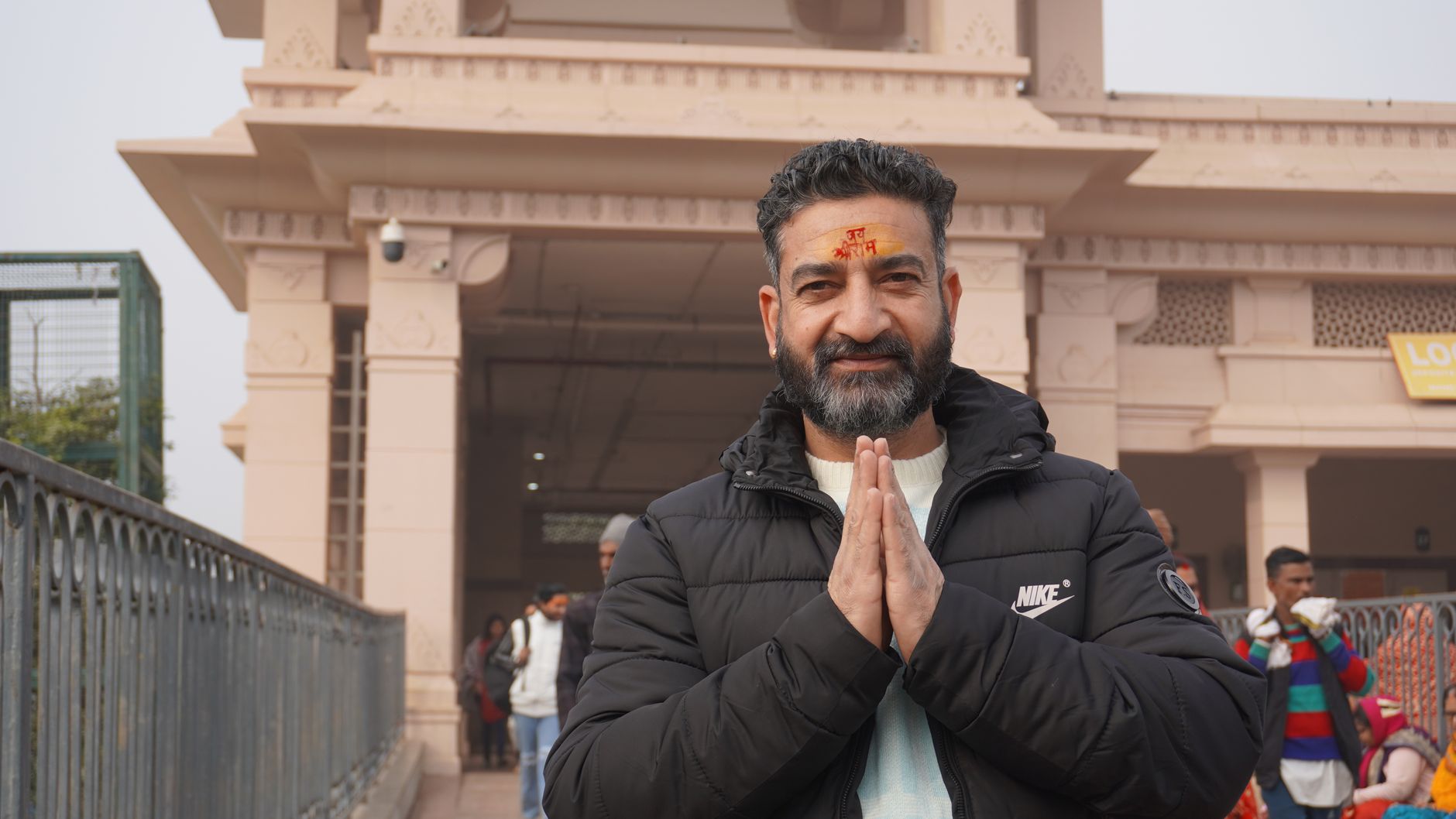
Marco Rubio India visit has sparked interest as he plans to skip Delhi and head to Mumbai and Jamnagar next week. This decision raises questions about diplomatic priorities.
Overview of Marco Rubio’s Upcoming Visit
Senator Marco Rubio’s upcoming visit to India has generated significant interest as it marks a key diplomatic engagement in the region. Scheduled for next week, his itinerary includes stops in Mumbai and Jamnagar, but notably, he will skip the capital city of Delhi. This decision has raised questions about the priorities of his diplomatic mission and the implications for U.S.-India relations.
Rubio aims to strengthen ties between the United States and India, focusing on areas such as economic collaboration, security partnerships, and technology exchange. His visit comes at a time when both nations are seeking to enhance cooperation against common challenges, including regional security threats and global economic shifts.
As a member of the Senate Foreign Relations Committee, Rubio’s interactions with Indian officials and business leaders could pave the way for future initiatives. Key topics expected to arise during his discussions include:
- Trade and investment opportunities
- Counter-terrorism efforts
- Climate change and energy collaboration
Marco Rubio’s India visit could prove pivotal for advancing U.S. diplomatic interests in the region.
Why Is Delhi Being Skipped?
In a surprising turn of events, Senator Marco Rubio has decided to skip a visit to Delhi during his upcoming trip to India. This choice has raised questions among political analysts regarding its implications for diplomatic relations. While Delhi is the capital and a significant political hub, Rubio will instead focus on Mumbai and Jamnagar, two cities that are vital for India’s economy.
Several factors may have influenced this decision:
- Strategic Interests: Mumbai is the financial capital of India, making it an ideal location for discussions on economic partnerships.
- Regional Development: Jamnagar is known for its industrial growth, particularly in the energy sector, which aligns with Rubio’s interests in energy policy.
- Cultural Engagement: By visiting these cities, Rubio may aim to connect with India’s diverse population and showcase America’s commitment to fostering ties beyond politics.
As Marco Rubio’s India visit unfolds, the decision to bypass Delhi will undoubtedly be scrutinized, raising questions about its impact on U.S.-India relations.
Focus on Mumbai and Jamnagar
Marco Rubio’s India visit will focus primarily on the vibrant cities of Mumbai and Jamnagar, avoiding the political capital of Delhi. This decision has raised eyebrows among analysts, as Mumbai is the country’s financial hub, while Jamnagar is known for its significant oil refinery operations.
The choice to visit these cities suggests a strategic pivot towards fostering economic ties rather than engaging in traditional diplomatic discussions typically held in Delhi. Mumbai, home to numerous multinational corporations and startups, offers Rubio an opportunity to explore partnerships that could enhance trade relations between the United States and India.
In Jamnagar, Rubio may address issues surrounding energy security and sustainable development, given the city’s pivotal role in the energy sector. This aspect of his India visit could pave the way for collaborative efforts in clean energy technology and investment.
Overall, Rubio’s focus on Mumbai and Jamnagar may signal a shift in U.S. diplomatic strategy, emphasizing economic collaboration over conventional political dialogues.
Implications for US-India Relations
The implications of Marco Rubio’s India visit extend beyond mere diplomacy, as the decision to skip Delhi in favor of Mumbai and Jamnagar raises questions about the strategic priorities of the United States in the region. By focusing on these two cities, Rubio may be signaling a shift in emphasis towards economic ties and energy partnerships, particularly in the context of India’s growing status as a global player.
This approach could foster stronger collaborations in sectors such as technology, trade, and renewable energy, benefiting both nations. However, it also risks alienating key political figures in the capital, potentially complicating future diplomatic efforts.
Furthermore, Rubio’s visit may pave the way for enhanced cooperation on security issues, especially concerning regional stability and counterterrorism. As the United States seeks to strengthen its influence in Asia, the implications of Marco Rubio’s India visit could resonate through both bilateral relations and broader geopolitical dynamics.
- Strengthened economic ties
- Focus on energy partnerships
- Potential diplomatic fallout
Reactions to the Visit
The announcement of Marco Rubio’s India visit has sparked a range of reactions from political analysts and diplomats alike. Many are questioning the decision to skip Delhi, which is traditionally the epicenter of diplomatic activity in India.
Some experts argue that focusing on Mumbai and Jamnagar could yield positive outcomes. “Mumbai is the financial heart of India, and engaging with its business community may foster stronger economic ties,” noted one analyst. Others, however, believe that bypassing the capital might send a mixed message about the importance of US-India relations.
Critics emphasize that the absence from Delhi could be interpreted as a slight, especially given the ongoing geopolitical tensions in the region. “A visit to Delhi would have demonstrated a commitment to engaging with India’s central government,” remarked a former diplomat.
As reactions continue to unfold, the implications of Marco Rubio’s India visit may set the tone for future diplomatic interactions, making it a pivotal moment in US-India relations.
Expected Outcomes of the Trip
Marco Rubio’s India visit is anticipated to yield significant diplomatic outcomes, particularly in strengthening bilateral ties between the United States and India. Key expected outcomes include:
- Enhanced Economic Collaboration: The trip is likely to foster discussions on trade agreements and investment opportunities, particularly in sectors like technology and renewable energy.
- Cultural Exchange Initiatives: Rubio aims to promote cultural ties, emphasizing the importance of shared democratic values and mutual respect.
- Strategic Partnerships: The senator’s engagements in Mumbai and Jamnagar may highlight potential areas for collaboration on security and defense, especially in the Indo-Pacific region.
- Addressing Global Challenges: Rubio is expected to discuss joint efforts in tackling global issues such as climate change and public health, showcasing a united front.
Overall, Marco Rubio’s India visit is poised to be a pivotal moment for diplomacy, with the potential to reshape the future of US-India relations in a rapidly evolving geopolitical landscape.
Conclusion: What’s Next for Rubio?
As Marco Rubio prepares for his India visit, the diplomatic landscape is poised for potential shifts. His decision to bypass Delhi in favor of Mumbai and Jamnagar raises questions about the strategic priorities of U.S. foreign policy in the region. This visit could strengthen ties with India, particularly in areas such as trade, technology, and security, which are crucial for both nations.
Despite the mixed reactions surrounding the itinerary, Rubio’s focus on economic hubs demonstrates an understanding of India’s evolving role in global markets. The outcomes of this trip may set the tone for future engagements between the U.S. and India, especially as both nations navigate challenges posed by regional competitors.
Moving forward, it will be essential to monitor how Rubio’s engagements resonate with Indian leaders and the broader public. As he returns from his India visit, the implications of his actions will likely influence U.S.-India relations for years to come, potentially paving the way for deeper cooperation in various sectors.
The Marco Rubio India visit comes at a crucial time for U.S.-India relations, highlighting the importance of strengthening diplomatic ties. Observers believe that the Marco Rubio India visit could pave the way for increased cooperation on various global issues.
Photo by vishal thakur on Pexels