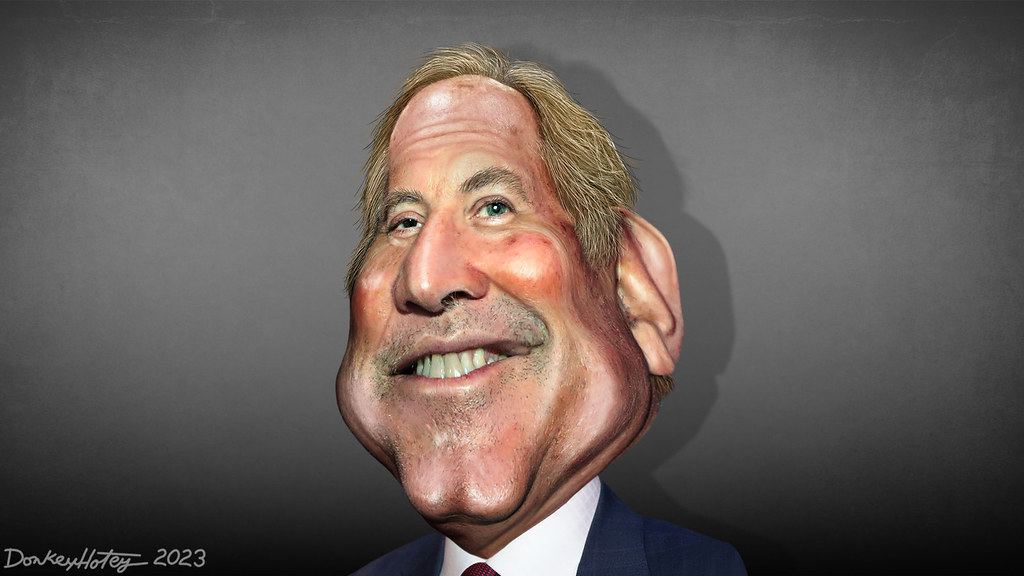
Ashok Lavasa poll body powers are under scrutiny as the former Election Commissioner raises concerns about changes to Form 6 amidst the ongoing SIR row.
Understanding the SIR Row
The ongoing debate surrounding the powers of the poll body has intensified following remarks by former Election Commissioner Ashok Lavasa regarding the recent SIR row. Lavasa has raised concerns about the Election Commission’s authority to modify Form 6, which is crucial for voter registration.
In his statements, Lavasa emphasized that the integrity of the electoral process is paramount and that any alterations to established procedures could undermine public trust. He questioned whether the poll body’s powers are being exercised appropriately, especially in light of the SIR (Special Interest Registration) controversy.
Critics argue that the decision to amend Form 6 without broader consultation could lead to inconsistencies in voter registration and potentially disenfranchise eligible voters. Supporters of the Election Commission contend that such changes are necessary to streamline the registration process and enhance electoral participation.
As the debate continues, various stakeholders in the political landscape are calling for a closer examination of the poll body’s powers. This situation raises significant questions about the balance of authority within India’s electoral framework and the implications for future elections.
Ashok Lavasa’s Concerns Explained
Ashok Lavasa, the former Election Commissioner of India, has raised significant concerns regarding the powers of the poll body, particularly in light of recent changes to Form 6 amidst the SIR row. His apprehension centers on the potential implications these changes may have on the electoral process and voter integrity.
Lavasa argues that the Election Commission’s authority to modify such essential documents without adequate justification undermines the very principles of democracy. He emphasizes the need for transparency and accountability in the commission’s operations, stating that any alterations to procedures should be made with caution and public scrutiny.
In his view, the powers exercised by the poll body should not only be well-defined but also subject to checks to prevent misuse. Lavasa suggests that these concerns are not merely procedural but touch upon the fundamental right of citizens to participate in free and fair elections.
He believes that the recent actions of the Election Commission may lead to a loss of public trust, which is essential for a healthy democratic process. Therefore, the question remains: are the powers of the poll body, as exercised in this instance, justified or problematic?
Implications of Changing Form 6
The recent changes to Form 6 have sparked a debate about the implications for the electoral process in India. Ashok Lavasa, a former Election Commissioner, has raised significant concerns regarding the poll body’s powers to alter this critical document. The modifications to Form 6 are intended to streamline the voter registration process, but the ramifications could be far-reaching.
Lavasa argues that such changes may undermine the integrity of the electoral system. He asserts that the Election Commission must exercise caution and uphold transparency in its operations. With the power to change Form 6, the poll body could inadvertently affect voter turnout and representation, raising questions about fairness in elections.
The implications of this development are multifaceted:
- Voter Registration: Changes might create confusion among potential voters.
- Electoral Integrity: There is a risk of perceived bias in the electoral process.
- Public Trust: The credibility of the poll body could be called into question.
In light of these concerns, the debate around Ashok Lavasa’s views on poll body powers continues to resonate within political circles and among the electorate.
Reactions from Political Leaders
Reactions from political leaders regarding Ashok Lavasa’s comments on the poll body’s powers have been varied and intense. Many have expressed support for Lavasa, emphasizing the need for transparency and adherence to established protocols. Others, however, have critiqued his stance, arguing that the Election Commission must have the flexibility to adapt its processes.
- Rahul Gandhi, a prominent opposition leader, stated, “We must ensure that the integrity of the electoral process is upheld. Ashok Lavasa’s concerns about the poll body’s powers are valid in light of the ongoing SIR row.”
- Smriti Irani, a senior member of the ruling party, countered by saying, “The Election Commission operates within a framework that allows it to make necessary changes. Lavasa’s comments may undermine public confidence in the institution.”
- Mayawati, a veteran leader, called for a thorough review of the powers vested in the poll body, stating, “Ashok Lavasa’s insights reflect a growing unease among politicians regarding how these powers are exercised.”
The debate continues to stir discussions on the balance between necessary authority and accountability within the electoral framework.
Ashok Lavasa poll body powers have been a topic of intense debate among political analysts and the public. Many question whether these powers are being utilized effectively or if they overstep necessary boundaries.
Photo by Shashi Singh on Pexels
Where this came from
Related reading
Walmart Deals event: Best 17 editor-favorite picks for savings · Bypoll results 2026: The Clear Victory of Ruling Parties · Microdrama platform offers a Smart Solution for Entertainment