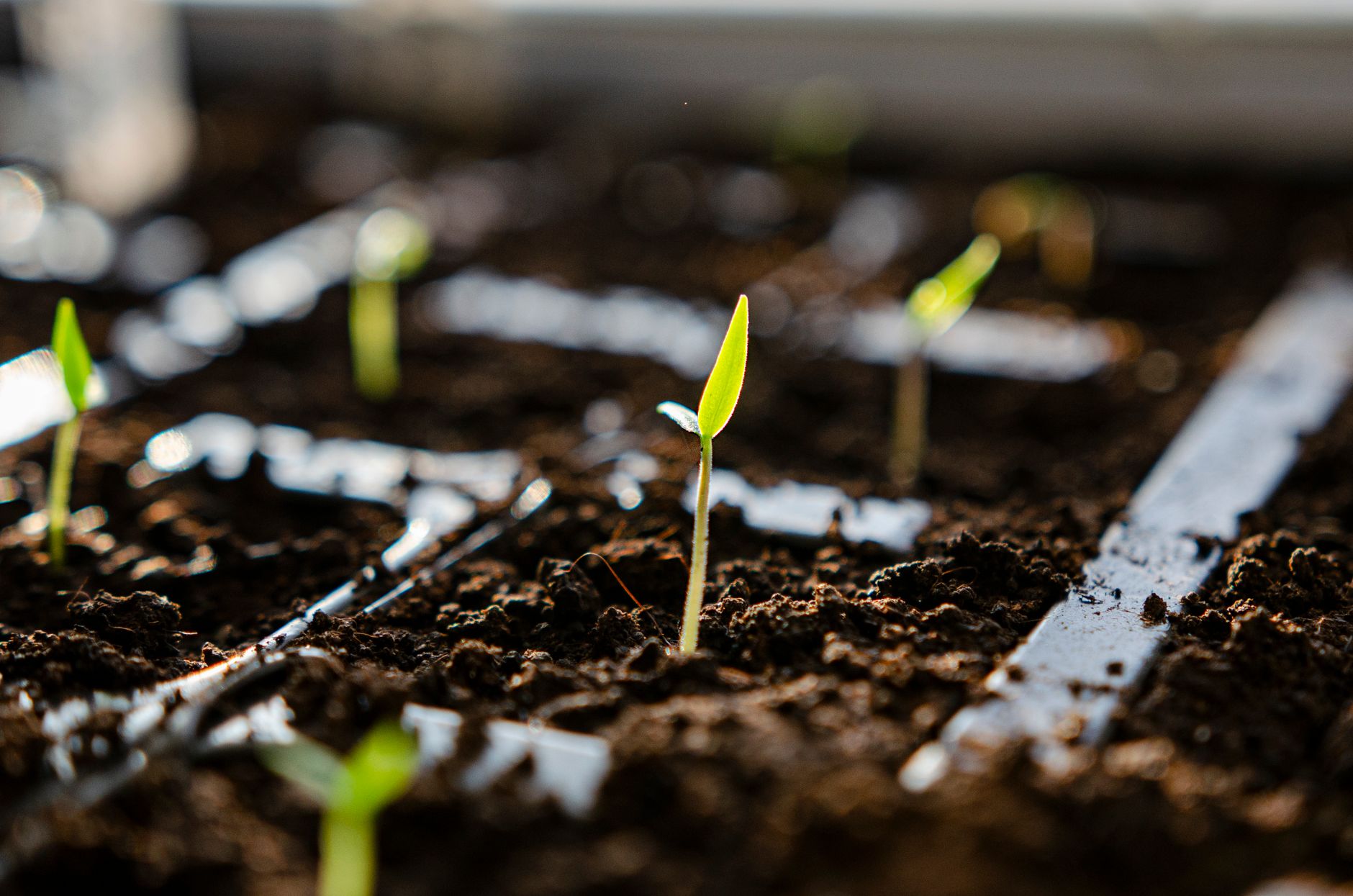
biological nitrogen fixation is a crucial process that enhances soil fertility and supports plant growth. Recent molecular insights reveal its potential even at extreme temperatures.
Understanding Biological Nitrogen Fixation
Biological nitrogen fixation is a natural process that converts atmospheric nitrogen into a form usable by plants. This process is primarily carried out by certain bacteria, which may be free-living or symbiotic with plants, such as legumes. Understanding the mechanisms behind biological nitrogen fixation can significantly impact agricultural practices.
Recent research has provided molecular insights into this process, especially under extreme conditions, such as high temperatures. These studies reveal how bacteria adapt to stress and maintain their nitrogen-fixing capabilities. Key findings indicate:
- The role of specific enzymes that function optimally near boiling points.
- How environmental factors influence the efficiency of nitrogen fixation.
- Potential applications of these insights in improving crop yields.
As agriculture faces challenges like soil depletion and climate change, biological nitrogen fixation may offer sustainable solutions for enhancing soil fertility and crop productivity.
The Role of Temperature in Nitrogen Fixation
The process of biological nitrogen fixation is significantly influenced by temperature, which can affect the efficiency of nitrogen-fixing microbes. Research has shown that different species of nitrogen-fixing bacteria have varying temperature optima, which can impact their activity in agricultural soils.
As temperatures rise, the metabolic rates of these microbes can increase, potentially enhancing nitrogen fixation. However, extremes in temperature may lead to stress or even death of these organisms, thereby reducing nitrogen availability for crops.
- Optimal temperatures generally range between 20°C and 30°C.
- High temperatures can denature enzymes involved in the fixation process.
- Cold temperatures may slow down microbial activity significantly.
Understanding these temperature effects is crucial for maximizing the benefits of biological nitrogen fixation in sustainable agriculture.
Benefits of Nitrogen-Fixing Organisms
Biological nitrogen fixation offers numerous benefits for agriculture, significantly contributing to sustainable farming practices. By harnessing the natural abilities of nitrogen-fixing organisms, farmers can enhance soil fertility without the reliance on chemical fertilizers. This process not only reduces production costs but also minimizes environmental impact.
Some key advantages of nitrogen-fixing organisms include:
- Improved Soil Health: These organisms enrich the soil with nitrogen, a vital nutrient for plant growth.
- Enhanced Crop Yields: Nitrogen fixation can lead to higher productivity, ensuring food security amid growing populations.
- Reduced Chemical Usage: Utilizing biological nitrogen fixation decreases the need for synthetic fertilizers, promoting eco-friendly farming.
- Resilience to Climate Change: Nitrogen-fixing organisms can adapt to various environmental conditions, helping crops thrive under stress.
Overall, incorporating biological nitrogen fixation can transform agricultural practices for the better.
Molecular Mechanisms of Nitrogen Fixation
Biological nitrogen fixation is a complex process that involves various molecular mechanisms enabling certain organisms to convert atmospheric nitrogen into a usable form for plants. The key players in this process are nitrogen-fixing bacteria, which possess specialized enzymes called nitrogenases. These enzymes facilitate the reduction of molecular nitrogen (N2) to ammonia (NH3).
Temperature significantly influences these molecular mechanisms, as the activity of nitrogenases can vary with environmental conditions. In extreme temperatures, the structural integrity and functionality of these enzymes may be compromised, leading to reduced efficiency in nitrogen fixation.
Research has shown that understanding the genetic and biochemical pathways involved can enhance the effectiveness of biological nitrogen fixation. By exploring these mechanisms, scientists aim to improve the resilience of nitrogen-fixing organisms, ultimately benefiting agricultural practices worldwide.
- Enzyme: Nitrogenase
- Products: Ammonia
Agricultural Implications of Nitrogen Fixation
The agricultural implications of biological nitrogen fixation are significant, as this natural process enhances soil fertility and reduces the need for synthetic fertilizers. By relying on nitrogen-fixing organisms, farmers can improve crop yields while minimizing environmental impact.
Key benefits of implementing biological nitrogen fixation in agriculture include:
- Improved Soil Health: Nitrogen-fixing bacteria enrich the soil, promoting a healthier ecosystem.
- Cost-Effectiveness: Reducing dependency on chemical fertilizers can lead to substantial savings for farmers.
- Increased Crop Resilience: Crops grown in nitrogen-rich soils often exhibit better resistance to pests and diseases.
- Environmental Sustainability: This method mitigates the negative effects of fertilizer runoff, promoting cleaner water sources.
Overall, embracing biological nitrogen fixation presents a promising strategy for sustainable agricultural practices.
Challenges in Biological Nitrogen Fixation
While biological nitrogen fixation presents promising advantages for agriculture, several challenges hinder its widespread implementation. Firstly, the efficiency of biological nitrogen fixation can be significantly affected by environmental factors, particularly temperature. Extreme temperatures may inhibit the activity of nitrogen-fixing organisms, limiting their effectiveness in various regions.
Moreover, the availability of suitable host plants is crucial, as not all crops can form symbiotic relationships with nitrogen-fixing bacteria. This restricts the adoption of biological nitrogen fixation in diverse agricultural systems.
Additionally, the complexity of the molecular mechanisms involved in biological nitrogen fixation can pose challenges in genetic engineering efforts aimed at enhancing this process. Farmers and researchers must navigate these hurdles to fully leverage the potential of biological nitrogen fixation in sustainable agriculture.
Lastly, economic constraints and a lack of awareness among farmers about the benefits of nitrogen-fixing organisms can further impede progress.
Future Research Directions
Future research directions in the field of biological nitrogen fixation are crucial for enhancing agricultural practices. As scientists continue to uncover the complexities of nitrogen-fixing organisms, several key areas warrant attention:
- Genomic Studies: Investigating the genomes of nitrogen-fixing bacteria can reveal genetic traits that enhance their efficiency.
- Symbiotic Relationships: Understanding the interactions between plants and their nitrogen-fixing partners may lead to improved crop yields.
- Environmental Adaptability: Research into how different environmental factors, such as temperature and soil composition, affect biological nitrogen fixation is essential.
- Innovative Biofertilizers: Developing biofertilizers that incorporate efficient nitrogen-fixing organisms could reduce reliance on chemical fertilizers.
Overall, advancing our knowledge of biological nitrogen fixation will be vital for sustainable agriculture and food security in the coming years.
Innovative Techniques in Agriculture
Innovative techniques in agriculture are increasingly centered around enhancing biological nitrogen fixation to improve crop yields and sustainability. Researchers are exploring several methods to leverage this natural process, which involves the conversion of atmospheric nitrogen into a form usable by plants.
Among these techniques, genetic engineering has shown promise, allowing scientists to develop crops that can form symbiotic relationships with nitrogen-fixing bacteria more efficiently. Additionally, the use of cover crops and rotation practices is gaining traction, as they can enhance soil health and nitrogen availability.
Moreover, advancements in microbial inoculants are facilitating the introduction of beneficial microorganisms into the soil, further promoting nitrogen fixation. These approaches not only aim to reduce the dependency on synthetic fertilizers but also contribute to sustainable agricultural practices that protect the environment.
As research continues to evolve, the integration of these innovative techniques could redefine modern farming.
Photo by Piotrek Wilk on Pexels
Sources
eurekalert.org · Biological nitrogen fixation
Fireball Lights Up Sky: The Real Story Behind This Event · Nvidia GPU Xbox Series S: The Best Equivalent Revealed · Platform Innovation: The Best Proven Tools for Creators
