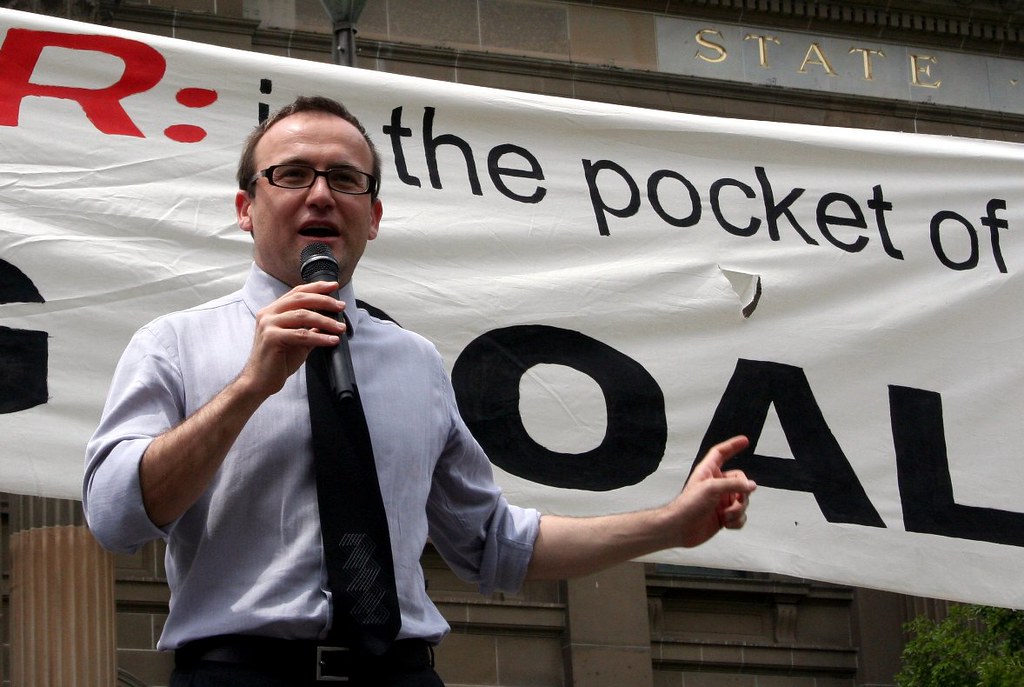
Carbon emissions failures have drawn sharp criticism from Piyush Goyal, who emphasizes the West’s responsibility in addressing climate issues.
Overview of Piyush Goyal’s Statement
In a recent statement, Indian Minister Piyush Goyal expressed strong criticism towards Western nations regarding their handling of carbon emissions failures. He highlighted that the current climate crisis is largely attributed to the lack of accountability from developed countries. Goyal emphasized the disparity in climate finance, pointing out that promises made by these nations remain unfulfilled. He stated, “You are responsible for this mess,” directly addressing the West’s shortcomings in addressing climate change.
Goyal’s remarks come at a time when many countries are struggling to meet their climate goals. His assertion reflects growing frustration among developing nations that feel the burden of climate change without the necessary support from wealthier nations. The Indian Minister urged for more proactive measures and genuine commitments to combat the worsening effects of climate change, asserting that the responsibility should not rest solely on developing countries.
Impact of Carbon Emissions on Climate
The impact of carbon emissions failures has become increasingly evident as the climate crisis intensifies. Global temperatures continue to rise, leading to severe weather events, rising sea levels, and devastating natural disasters. These changes not only threaten ecosystems but also pose significant risks to human health and safety.
Countries around the world are struggling to meet their climate commitments, with many failing to reduce their carbon footprints adequately. Piyush Goyal emphasized the responsibility of developed nations to address their historical emissions, which have contributed significantly to the current crisis. He argued that the burden should not solely rest on developing countries that are still working towards growth.
As the consequences of inaction become clearer, the call for tangible climate finance and meaningful policy changes grows louder, highlighting the urgent need to tackle carbon emissions failures effectively.
The Role of Developed Nations in Climate Finance
Developed nations have faced increasing scrutiny for their role in climate finance and the ongoing carbon emissions failures that exacerbate the climate crisis. Despite pledges to provide financial support to developing countries, many have fallen short of their commitments, leaving vulnerable nations struggling to adapt.
Piyush Goyal highlighted the disparity in responsibility, emphasizing that the wealthiest countries must lead by example. He pointed out that their historical contributions to carbon emissions have significantly damaged the environment, and it is now their duty to rectify these failures through consistent financial aid.
Key issues include:
- Insufficient Funding: Many developed nations have not met their climate finance goals.
- Lack of Accountability: There is little enforcement of financial commitments.
- Impact on Policy: The failures hinder effective climate action in developing countries.
India’s Position on Global Emission Standards
India has taken a strong stance regarding global emission standards, criticizing developed nations for their inadequate responses to carbon emissions failures. Piyush Goyal, India’s Minister of Commerce and Industry, emphasized that the onus is on wealthier countries to lead in climate action, given their historical contributions to the crisis. He stated, “You are responsible for this mess,” highlighting the disproportionate impact of climate change on developing nations.
India’s commitment to reducing carbon emissions remains steadfast, with the country aiming for net-zero by 2070. However, Goyal underscored the importance of equitable climate finance, arguing that developed nations must fulfill their financial commitments to support developing countries in transitioning to greener technologies. Without such support, he warned, the global fight against climate change would be hindered, perpetuating the cycle of carbon emissions failures that endanger the planet.
Consequences of Inaction on Climate Change
The consequences of inaction on climate change are dire and far-reaching, as illustrated by the ongoing carbon emissions failures that continue to plague global efforts. Without immediate and decisive action, the planet faces severe repercussions, including:
- Extreme Weather Events: Increased frequency and intensity of hurricanes, droughts, and floods.
- Loss of Biodiversity: Many species are at risk of extinction due to changing habitats and ecosystems.
- Food Security Threats: Agricultural productivity is jeopardized, leading to food shortages.
- Health Risks: Rising temperatures contribute to heat-related illnesses and exacerbate respiratory conditions.
As nations grapple with these challenges, the urgency for a coordinated response becomes increasingly apparent. Failure to address carbon emissions will not only impact current generations but also compromise the future of the planet.
International Cooperation in Climate Policies
International cooperation is crucial in addressing the alarming trend of carbon emissions failures that continue to exacerbate the climate crisis. Countries around the globe must collaborate to create effective policies that not only reduce emissions but also support vulnerable nations in their climate efforts. Piyush Goyal emphasized the need for developed nations to take responsibility and lead by example, as their historical emissions have significantly contributed to the current situation.
Key areas for international cooperation include:
- Technology transfer to developing countries to enhance their capacity to manage emissions.
- Financial support for green projects that aim to mitigate climate change impacts.
- Shared knowledge on sustainable practices and adaptation strategies.
Without a concerted global effort, the repercussions of carbon emissions failures will continue to threaten the planet’s future.
Future of Climate Finance Initiatives
The future of climate finance initiatives remains uncertain as nations grapple with the significant carbon emissions failures that have exacerbated the climate crisis.
Experts emphasize the need for a collaborative approach, urging countries to align their financial commitments with ambitious climate goals. Key points include:
- Increased Funding: There is a critical need for enhanced financial support to developing nations, which are often the hardest hit by climate change.
- Innovative Solutions: Funding should prioritize sustainable technologies and practices that can effectively reduce carbon footprints.
- Accountability Measures: Nations must implement strict accountability frameworks to ensure that funds are utilized efficiently and transparently.
Without significant progress in these areas, the global community risks facing even more severe consequences from climate change, further highlighting the urgency of addressing carbon emissions failures.
Public Response to Climate Accountability
The public response to climate accountability has been a mix of frustration and urgency. Many citizens express dissatisfaction with the ongoing carbon emissions failures and demand more decisive action from their governments.
Activists and environmental groups are rallying to hold leaders accountable, highlighting that inaction translates to greater risks for future generations. Key points of concern include:
- Transparency: Calls for clearer reporting on carbon emissions.
- Responsibility: Emphasis on the need for developed nations to lead by example.
- Engagement: Mobilizing communities to participate in local climate initiatives.
As the impacts of climate change become increasingly visible, public pressure is mounting for governments to take meaningful steps toward mitigating these carbon emissions failures, ensuring a sustainable future for all.
By John Englart (Takver) via Openverse