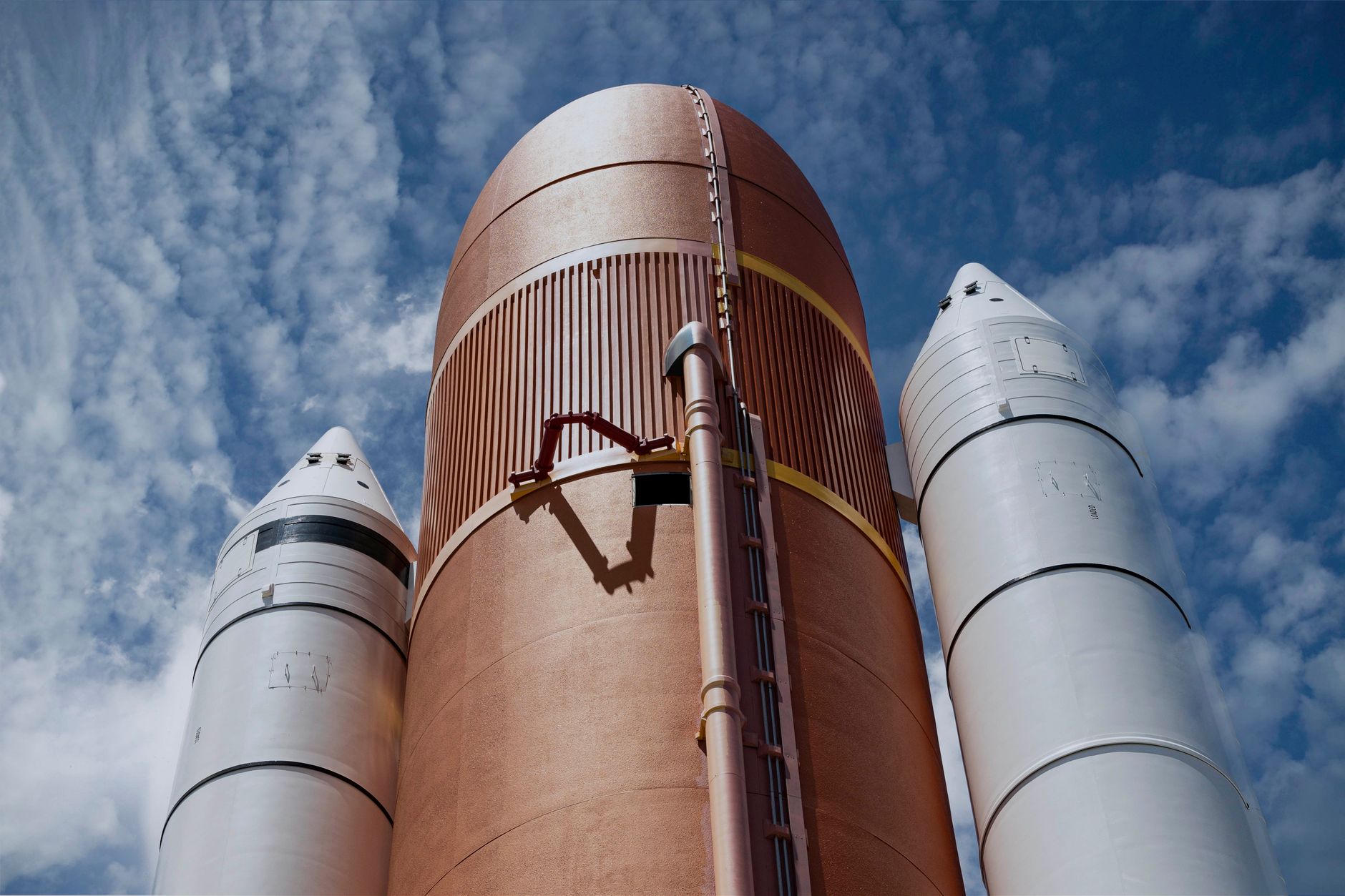
NASA food supplies launch is a significant event as over 2,000 kg of food, supplies, and scientific experiments were sent to astronauts aboard the International Space Station.
Overview of NASA’s recent launch
NASA recently completed a significant mission with the launch of over 2,000 kg of food supplies and essential resources for astronauts currently aboard the International Space Station (ISS). This mission highlights the ongoing commitment to ensure that astronauts have the necessary provisions to sustain their health and well-being during long-duration space missions.
The cargo delivered includes a variety of food items, scientific experiments, and supplies aimed at supporting both daily life and ongoing research in space. The food supplies launch is crucial as it not only provides nourishment but also contributes to the psychological well-being of the crew by offering a taste of home.
Among the items included are:
- Fresh fruits and vegetables: Essential for vitamins and minerals.
- Pre-packaged meals: Designed for optimal nutrition and long shelf life.
- Scientific experiments: To study food production in microgravity.
This successful launch underscores NASA’s dedication to supporting astronauts in their critical work and research beyond Earth, paving the way for future exploration missions.
Importance of food supplies in space
The successful NASA food supplies launch plays a crucial role in supporting astronauts on long-duration missions. Proper nutrition is essential for the physical and mental well-being of crew members as they navigate the challenges of living and working in space.
Food supplies in space are not merely about sustenance; they contribute significantly to the overall mission success. The importance of these supplies can be summarized in the following key areas:
- Nutritional Balance: Astronauts require a balanced diet to maintain their health, providing essential vitamins and minerals that are often challenging to obtain in a microgravity environment.
- Mental Health: A varied diet helps combat feelings of isolation and stress, which can be heightened during extended missions away from Earth.
- Physical Performance: Proper nutrition directly impacts astronauts’ performance and their ability to complete scientific tasks and experiments effectively.
As NASA continues to explore deeper space, ensuring a reliable supply of food becomes increasingly important, reaffirming the significance of these recent launches.
Details on the scientific tests included
The recent NASA food supplies launch was not only crucial for sustaining astronauts aboard the International Space Station (ISS) but also included a variety of scientific tests aimed at enhancing future missions. These tests are designed to explore the complexities of food production and consumption in microgravity.
Among the scientific experiments included in the cargo were:
- Food preservation techniques: Investigating methods to extend the shelf life of space food, ensuring astronauts have access to nutritious meals throughout their missions.
- Cultivation experiments: Assessing the viability of growing fresh produce in space, which could significantly improve astronauts’ diets and mental well-being.
- Microbial studies: Analyzing how food interacts with various microbes in a confined environment to ensure safety and prevent spoilage.
- Nutritional assessments: Monitoring the impact of space conditions on the nutritional value of food items supplied to astronauts.
These experiments aim to provide valuable insights that will support not only current missions but also future long-duration space travel, reinforcing the significance of the NASA food supplies launch.
How supplies support astronauts’ health
The recent NASA food supplies launch is crucial for maintaining the health and well-being of astronauts aboard the International Space Station (ISS). Proper nutrition plays a vital role in ensuring that astronauts can perform their duties effectively during long-duration missions. Food supplies not only provide essential calories, but also deliver necessary vitamins and minerals that support physical and mental health in a microgravity environment.
Among the most significant aspects of the supplies is their ability to prevent muscle atrophy and bone density loss, common issues faced by astronauts in space. The carefully curated menu includes:
- High-protein meals to support muscle maintenance
- Calcium-rich foods to combat bone loss
- Hydration options to ensure adequate fluid intake
- Variety of flavors to keep morale high during missions
Additionally, the food supplies launch facilitates ongoing scientific research into how different diets affect health in space. This research is vital for future missions to Mars and beyond, where food sustainability will be a significant challenge.
Future missions and supply needs
The success of NASA’s recent food supplies launch underscores the critical need for sustainable and nutritious provisions in future missions. As space exploration advances, it becomes increasingly important to understand the unique dietary requirements of astronauts during extended stays in orbit.
Future missions, such as those planned for Mars, will necessitate not only a variety of food items but also a reliable supply chain capable of delivering these essentials. The challenges of food preservation, weight limitations, and the need for minimal waste must be addressed to ensure astronauts receive adequate nutrition.
Key considerations for future supply needs include:
- Variety: A diverse menu to prevent dietary fatigue and ensure all nutritional needs are met.
- Storage: Innovative packaging solutions to maximize shelf life and minimize space usage.
- Preparation: Methods that allow astronauts to prepare meals easily in microgravity conditions.
The recent NASA food supplies launch provides invaluable data that will inform these future plans, highlighting the importance of ongoing research and development in space nutrition.
Public response to the launch
The recent NASA food supplies launch has generated significant public interest and positive feedback from various communities. Many individuals expressed their excitement on social media platforms, highlighting the importance of ensuring astronauts have adequate provisions for their missions.
Among the comments, a number of space enthusiasts remarked on how crucial these supplies are for maintaining the health and morale of astronauts during long-duration space missions. As one user noted, “It’s amazing to see how NASA is continually working to improve life in space.”
Additionally, educators have taken this opportunity to engage students in discussions about space exploration and the science behind food preservation in microgravity. Schools across the country are planning lessons around the significance of the NASA food supplies launch and its implications for future missions.
Experts in nutrition have also weighed in, emphasizing the importance of a balanced diet for astronauts. The launch showcases NASA’s commitment to not only advancing space exploration but also ensuring the well-being of those who venture into the unknown.
Overall, the response has been overwhelmingly supportive, with many looking forward to the innovative ways NASA will continue to tackle the challenges of feeding astronauts in space.
Challenges of space logistics
The logistics of managing food supplies for astronauts present a unique set of challenges. Unlike traditional supply chains, space logistics must account for factors such as weightlessness, limited storage space, and long-duration missions. Each item sent aboard a spacecraft is meticulously planned to ensure it meets the nutritional and psychological needs of the crew.
One of the primary challenges is packaging. Foods must be packaged in a way that prevents spoilage while also being easy to consume in a microgravity environment. This requires innovative solutions that maintain food quality and safety without adding unnecessary bulk or weight.
Furthermore, variety is crucial. Astronauts need a diverse diet to prevent menu fatigue, which can impact morale and overall health. NASA’s food supplies launch aims to address these concerns by providing a range of options that are both nutritious and appealing.
Additionally, the storage of these supplies must be optimized. With limited space available aboard the International Space Station, every inch counts, making careful planning essential for successful missions.
Conclusion and implications for space exploration
The recent NASA food supplies launch represents a significant step forward in supporting astronauts during their missions. As space exploration continues to advance, ensuring that crews have sufficient and nutritious food is critical for their health and performance. This launch not only provides essential supplies but also reinforces the importance of logistics in space missions.
With over 2,000 kg of food and science tests sent into orbit, NASA is demonstrating its commitment to enhancing life in space. The careful selection of food items addresses the unique challenges of long-duration missions, where astronauts require balanced nutrition to maintain physical and mental well-being.
Moreover, the data gathered from the scientific tests included in the launch will pave the way for better food production methods and storage solutions, vital for future explorations, including missions to Mars. As space logistics continue to evolve, the implications of this launch extend beyond immediate needs, highlighting the ongoing necessity for innovative approaches to sustain human life in space.
In conclusion, the NASA food supplies launch underscores the importance of addressing food supply challenges, ensuring that astronauts can thrive in their demanding environments.
The recent NASA food supplies launch has demonstrated the agency’s commitment to ensuring astronauts have nutritious options during their missions. As the NASA food supplies launch progresses, researchers are closely monitoring the impact of these provisions on astronaut health and performance.
Photo by john mckenna on Pexels