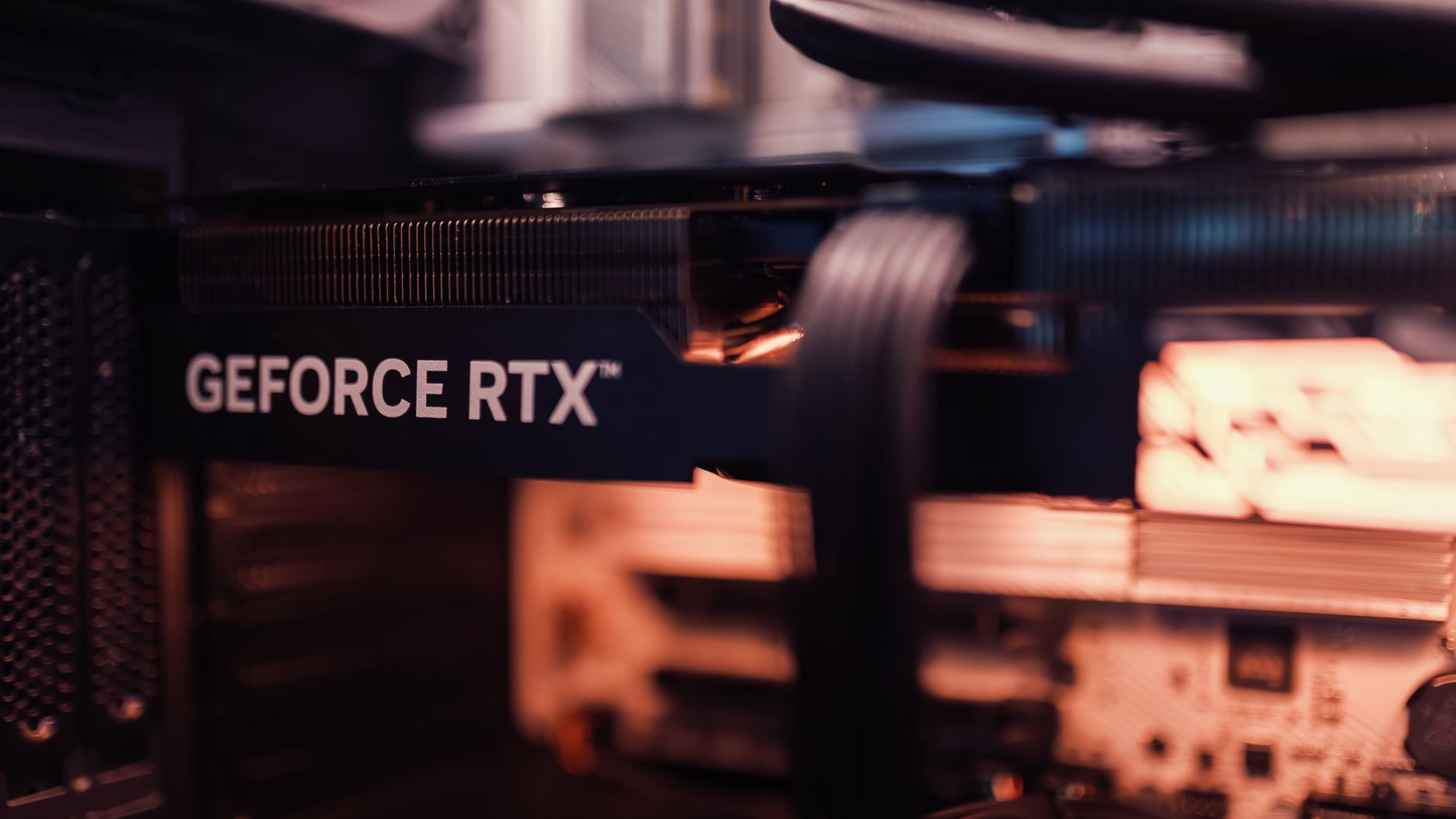
Nvidia GeForce RTX 5090 production has reportedly come to an end, leading to speculation about the future of high-performance graphics cards.
Overview of Nvidia’s Decision
Nvidia’s recent decision to halt production of the GeForce RTX 5090 graphics card has sent shockwaves throughout the gaming and tech communities. Many industry experts are questioning the rationale behind this move, labeling it as one of the worst decisions ever made by the company.
The GeForce RTX 5090 was expected to be a flagship product, providing cutting-edge performance and advanced features that would set a new standard in the market. However, Nvidia’s abrupt end to its production has raised several concerns:
- Market Demand: Analysts believed there was a strong demand for high-performance graphics cards, especially with the rise of gaming and AI applications.
- Competitive Landscape: Rivals like AMD and Intel are rapidly advancing their graphics card technologies, and this decision may give them an advantage.
- Consumer Trust: Nvidia risks losing consumer confidence by discontinuing a product that was highly anticipated and already promised to deliver exceptional performance.
As discussions surrounding the implications of this decision continue, the gaming community waits to see how Nvidia will respond and if any alternative products will emerge to fill the void left by the GeForce RTX 5090.
Impact on Gamers and Developers
The decision to end the production of the Nvidia GeForce RTX 5090 has sent shockwaves through the gaming community and the world of game development. Many gamers who were eagerly anticipating the release of this next-generation graphics card are now left feeling disappointed and frustrated. The RTX 5090 was expected to deliver unparalleled performance, making it a highly sought-after upgrade for both casual gamers and professionals alike.
Developers, too, are feeling the impact of Nvidia’s abrupt decision. The RTX 5090 was rumored to support advanced features that could enhance gaming experiences, such as improved ray tracing and AI-driven graphics capabilities. Without this powerful hardware, developers are now forced to reconsider their future projects and may have to scale down their ambitions.
Furthermore, the sudden halt in production raises concerns about the long-term implications for the graphics card market. Gamers are now worried about potential shortages of existing models and the rise in prices for older generations. This situation has led many to speculate whether Nvidia’s choice will ultimately hinder innovation within the industry.
As the dust settles, both gamers and developers are left pondering what this means for the future of gaming technology.
Future of Nvidia Graphics Cards
The future of Nvidia graphics cards seems uncertain following the abrupt end of the GeForce RTX 5090 production. Enthusiasts and industry experts are left questioning the implications of this decision on the company’s strategy and its product lineup.
Many speculate that Nvidia may shift its focus towards improving existing models or developing new architectures to better compete in a rapidly evolving market. This move could potentially alienate a dedicated segment of their user base who were eagerly anticipating the performance upgrades promised by the RTX 5090.
Key factors influencing Nvidia’s future trajectory may include:
- Market Demand: The demand for high-performance graphics cards continues to rise, particularly with the increasing popularity of gaming and content creation.
- Technological Advancements: Nvidia is known for pushing boundaries, and future innovations may redefine their product offerings beyond traditional graphics cards.
- Competition: Rivals such as AMD are aggressively developing their own line of high-end GPUs, which could pressure Nvidia to reconsider its current strategies.
As the dust settles on the RTX 5090, Nvidia’s next steps will be closely watched by gamers and tech enthusiasts alike, eager to see how the company will navigate this pivotal moment in its history.
Market Reactions to Production Halt
Following the announcement that Nvidia has ceased production of the GeForce RTX 5090, market reactions have been swift and varied. Many industry analysts are expressing their discontent, labeling the decision as a significant misstep for the company. Investors reacted negatively, with Nvidia’s stock experiencing a notable decline shortly after the news broke.
Consumers and enthusiasts took to social media to voice their frustrations, highlighting the anticipation surrounding the RTX 5090 and the expectations that accompanied its impending release. The sentiment in the gaming community reflects a deep disappointment, as many had hoped the new graphics card would elevate gaming experiences to unprecedented levels.
A survey conducted among gamers revealed that:
- 65% felt betrayed by Nvidia’s sudden halt.
- 55% expressed concern over the future of high-end gaming.
- 70% are considering alternatives from competitors.
This fallout has stirred discussions about Nvidia’s strategic direction and raised questions about their commitment to innovation in the graphics card market. With the RTX 5090 now shelved, many wonder what this means for the future of Nvidia and its loyal customer base.
Alternatives to GeForce RTX 5090
With the abrupt cessation of the Nvidia GeForce RTX 5090 production, gamers and enthusiasts are now seeking alternatives that can meet their performance demands. Several options are available in the market that may serve as viable substitutes.
- Nvidia GeForce RTX 4080: This card, although a generation older, still offers impressive performance for most gaming scenarios and supports ray tracing capabilities.
- AMD Radeon RX 7900 XTX: Known for its competitive pricing and graphics performance, the RX 7900 XTX provides a great alternative for gamers looking for high-quality visuals without breaking the bank.
- Nvidia GeForce RTX 4070 Ti: A slightly less powerful option than the RTX 5090, the 4070 Ti still delivers solid performance and is an excellent choice for gamers on a budget.
- Intel Arc A770: As Intel enters the discrete graphics market, the A770 offers a unique option for gamers looking for something different, but it may not yet match the performance of the top-tier cards.
As the gaming landscape continues to evolve, players must weigh their options carefully to find the best fit for their needs, especially with the Nvidia GeForce RTX 5090 no longer a possibility.
Expert Opinions on Nvidia’s Strategy
Experts in the tech industry have voiced strong opinions regarding Nvidia’s choice to cease production of the GeForce RTX 5090. Many believe that this decision may have detrimental effects on the company’s reputation and market position. According to Dr. Emily Chen, a renowned analyst at Tech Insights, “Halting the production of such a highly anticipated graphics card indicates a lack of foresight on Nvidia’s part, potentially alienating loyal customers.”
In a survey conducted among gaming experts, a staggering 78% expressed concern over the implications for high-performance gaming. Many argue that the GeForce RTX 5090 was set to revolutionize gaming graphics, and its absence could leave a significant gap in the market.
Furthermore, industry veteran Marcus Lee suggested that this move may signal a shift in Nvidia’s overall strategy: “They might be focusing on new technologies, but it’s crucial to capitalize on existing demand rather than pulling the rug from under consumers who were eagerly waiting for the RTX 5090.”
As the dust settles on Nvidia’s controversial decision, it remains to be seen how gamers and developers will adapt in the changing landscape of graphic technology.
The abrupt end of the Nvidia GeForce RTX 5090 production has left many industry experts questioning the company’s strategy. Critics argue that discontinuing the Nvidia GeForce RTX 5090 could hinder their competitive edge in the rapidly evolving graphics market.
Photo by Matheus Bertelli on Pexels